Tech uploads a video or photo of the issue from the job site.
HVAC pilot
A second set of eyes on every service call.
Upload one site photo or short clip. Wingman returns the next safe diagnostic steps in checklist form, with clear if/then branches.
Wingman identifies likely cause and safety checks.
Tech follows one step at a time and confirms results.
Live-style demos: what tech sends, what Wingman returns
Case 1 image + Case 2 hosted video.
Showing 2 / 2: Case 1: AC short cycling
Case 2: Boiler flame rod arcing
Input image -> structured safety + next-step output
Input
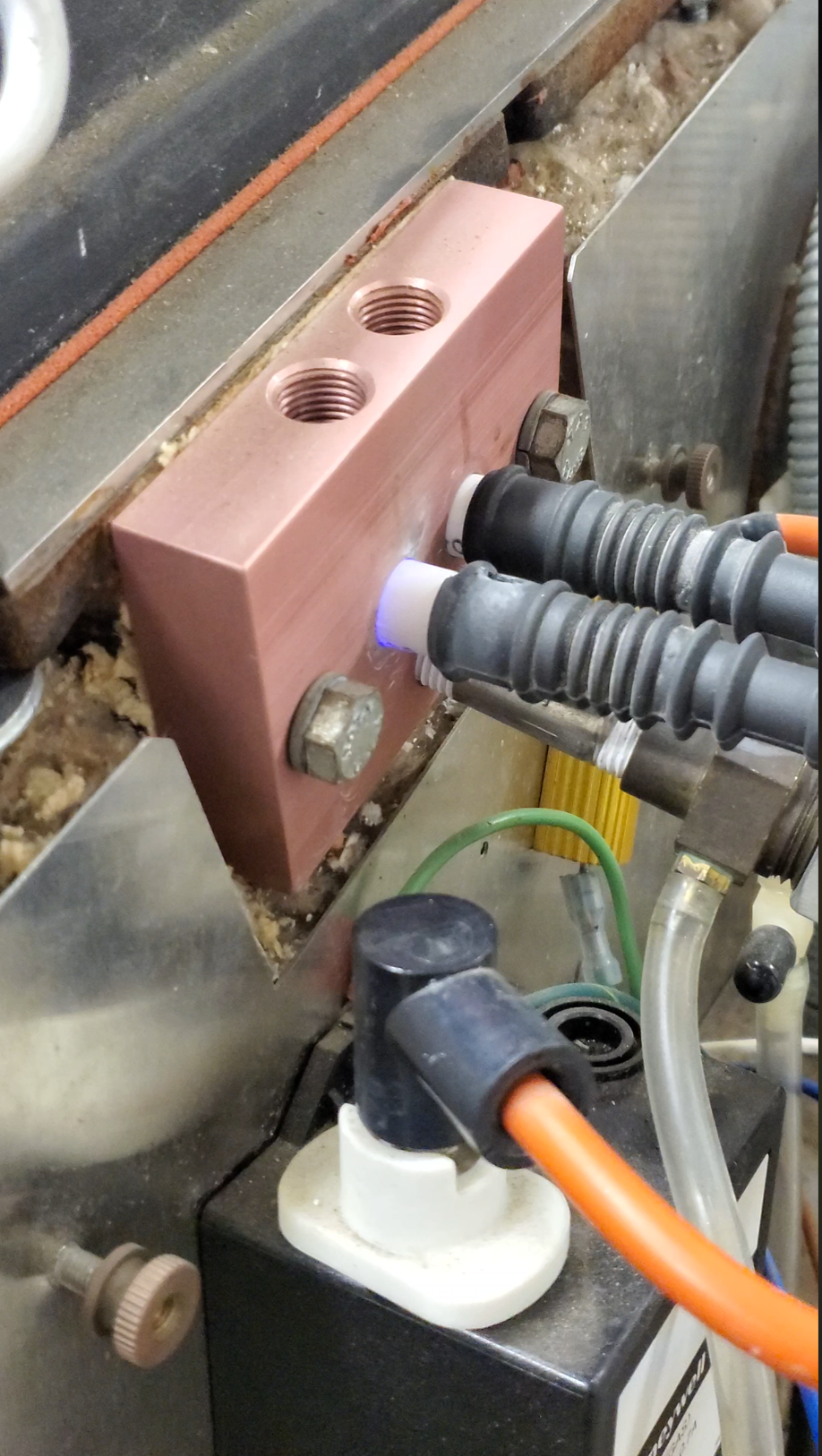
Drop the demo image at:
https://wingman-bucket.sfo3.cdn.digitaloceanspaces.com/demo-flame-rod.png
refresh this page
Tech report: Hydrotherm KN-20. Left rod is arcing and system shows pilot flame failure. Pilot lights, main does not.
Wingman output
What I see
Arcing appears at the left ceramic insulator base, suggesting high voltage is tracking to ground instead of the intended ignition path.
Safety first
Stop firing the unit. Power down and close manual gas valve before touching components.
Next steps
- 1Inspect ceramic for cracksHairline cracks can cause immediate tracking.
- 2Clean mounting areaRemove soot, moisture, or conductive residue.
- 3Check boot and connectorLoose or split boot can arc to the burner block.
Stop condition
If arcing persists after rod and boot checks, escalate for ignition component troubleshooting.
Case 1: AC short cycling
Input video -> loss-of-charge diagnosis flow
Input
Tech report: Trane condenser short cycles after about 30 seconds. Suction collapses (~143 PSI to ~12 PSI), head remains low (~217 PSI), and subcooling drops to 0F.
Final case footage with ending and resolution context.
Wingman output
What I see
Trane outdoor unit with spine-fin coil, probes connected, and visibly dirty coil. Pressure behavior indicates low-pressure protection trip after startup.
Safety first
Panel is open with live high-voltage components. Keep clear of contactor and capacitor terminals, fan blade, and avoid refrigerant venting while handling probes.
Diagnosis + next steps
- 1Confirm diagnosisLow suction + low head + near-zero subcooling indicates severe loss of charge, not restriction.
- 2Leak search outdoor firstInspect spine-fin rub points and accumulator underside for oil marks/shiners.
- 3Then inspect indoor evaporatorIf outdoor is clear, move to evap coil as common leak source.
- 4Pressure test properlyRecover charge and perform standing nitrogen pressure test (300+ PSI) to locate leak.
Watch for
Standing pressure only means some refrigerant is present, not that charge is correct. Do not top off before locating and repairing the leak source.
Run this on real calls with your team. We are onboarding a small pilot cohort now.
Book a 15-min demoWingman provides decision support and checklist guidance. Always verify against manufacturer documentation, code, and licensed judgment.